

ICE Conference: Lithuania’s AMS vision showcased by the NPA
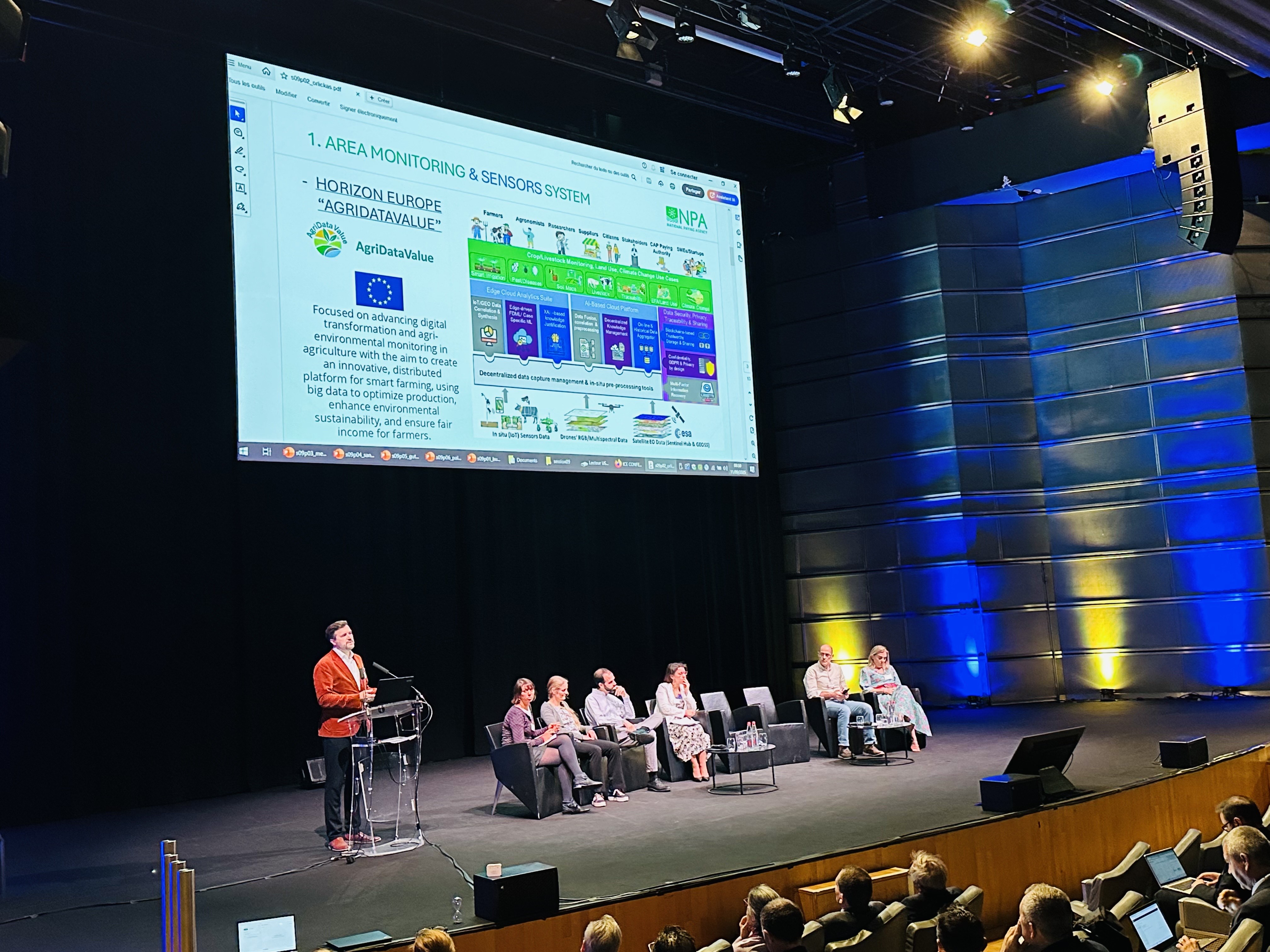
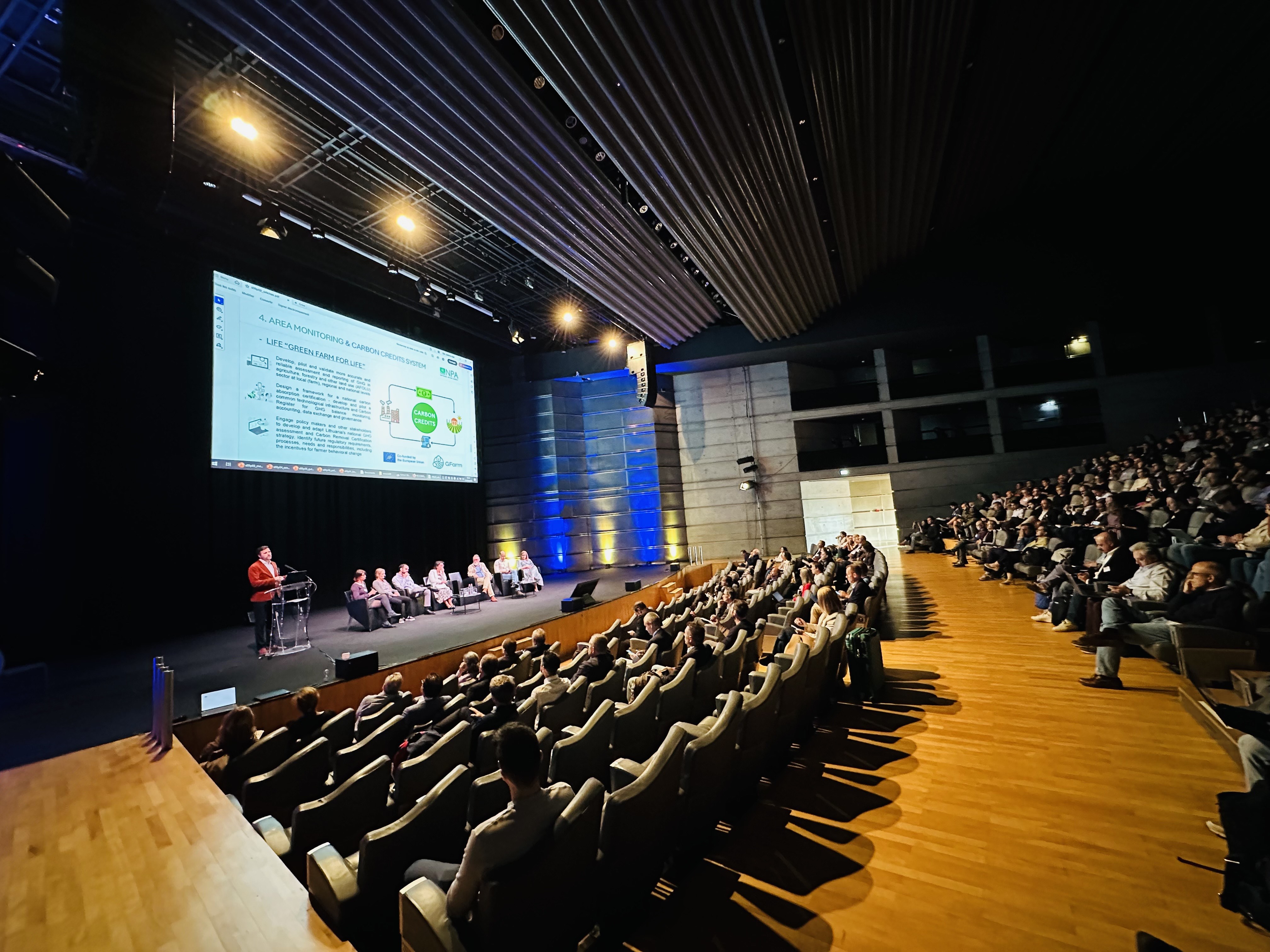
On 9–11 September, 2025, the IACS Community Exchange (ICE) annual conference, organised by the Joint Research Centre (JRC) in collaboration with the EC DG AGRI and the French Paying Agency (ASP) took place in Reims, France. The event brought together representatives of the European Commission (EC), national authorities, research institutes, and industry to discuss the future of agricultural monitoring and data-driven policy in the EU.
The 3-day programme covered a broad range of topics dedicated to the implementation and evolution of the Common Agricultural Policy (CAP). Key sessions focused on: IACS quality assessment and upcoming reporting obligations; data sharing for evidence-based policymaking and farm-level services; advances in LPIS updates, including the use of AI; integration of space and Earth Observation (EO) technologies into CAP monitoring; experiences of Member States (MS) and candidate countries with Area Monitoring System (AMS) implementation; the role of industry and innovative solutions in supporting Paying Agencies.
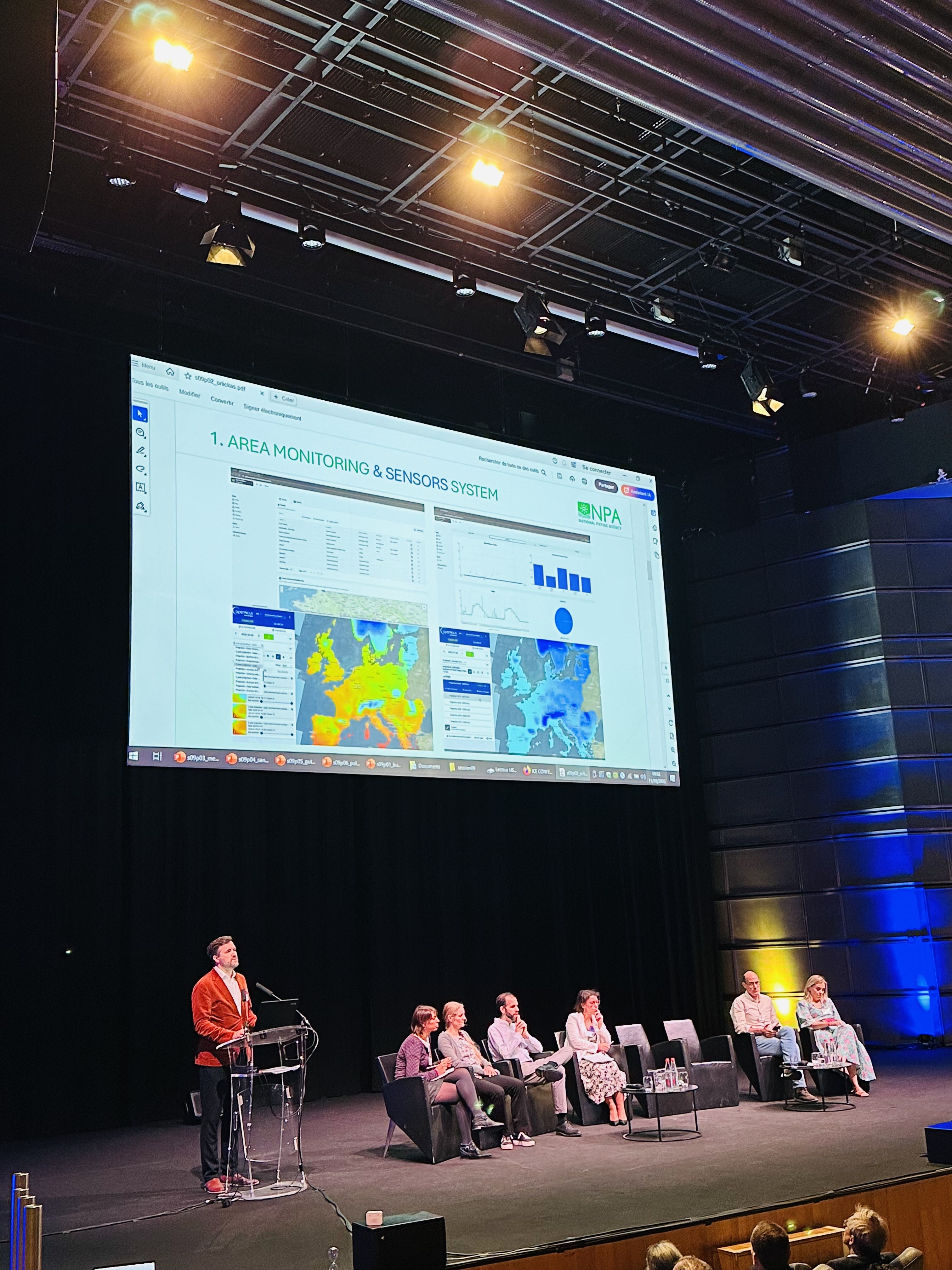
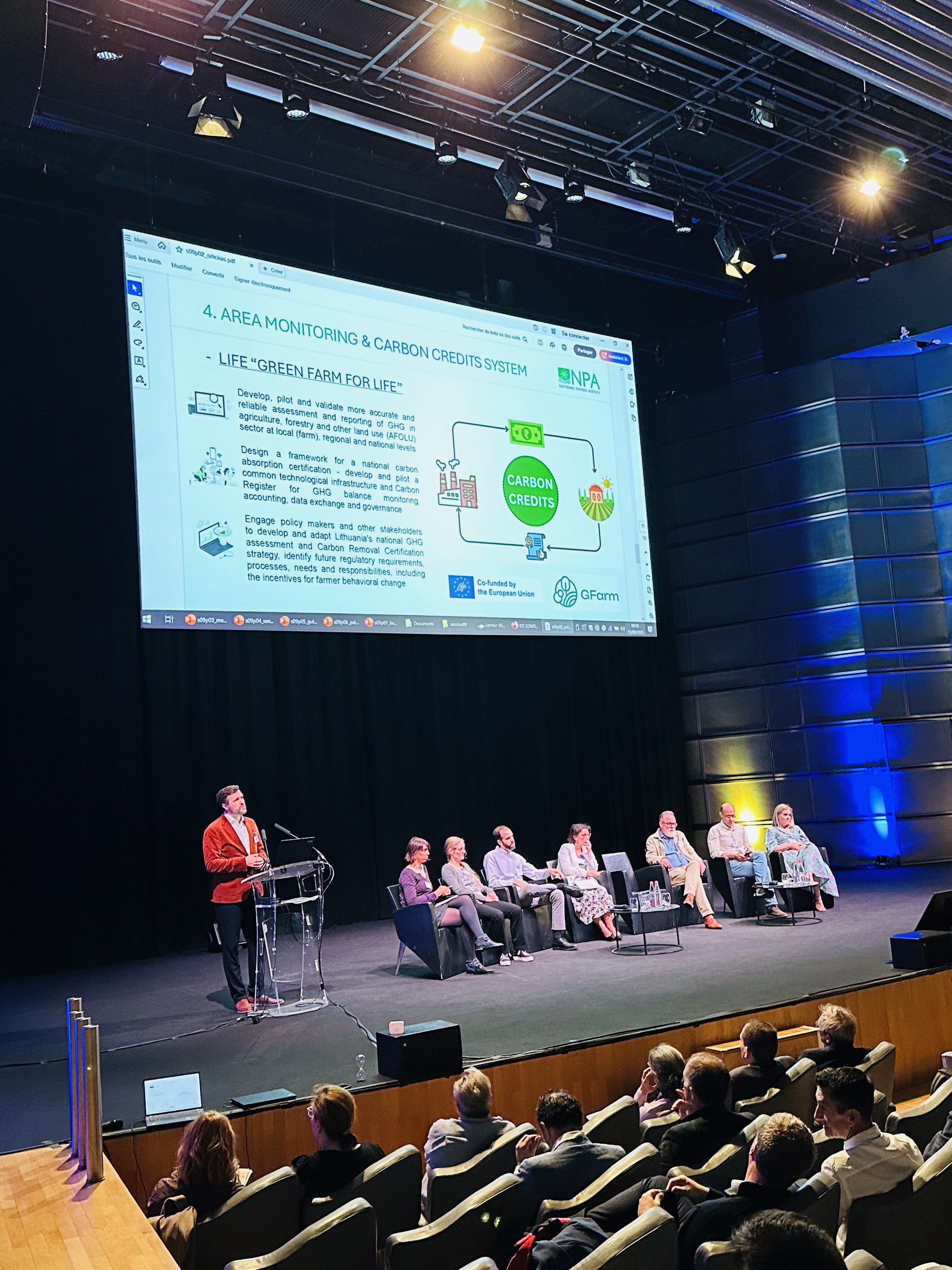
At the ICE conference Lithuania was represented by Tomas Orlickas, the Deputy Director of the National Paying Agency (NPA). He familiarised the conference participants with the status and vision of the AMS in Lithuania, with the possibilities of developing smart, data-driven public services and with the respective Horizon 2020, Horizon Europe and LIFE projects.
Alongside the technical sessions, the conference also offered opportunities for EU MS, EU candidate countries and stakeholders to exchange best practices on agricultural monitoring, climate adaptation, biodiversity, and carbon accounting.
At the conference the Deputy Director of the NPA Tomas Orlickas delivered a presentation titled “What’s Next After AMS? Strategy of Lithuania.” The presentation outlined Lithuania’s forward-looking vision of the AMS and its evolution into a more integrated, data-driven approach to agricultural governance.
Alongside the projects funded under Horizon 2020, Horizon Europe and LIFE programmes, including Horizon 2020ENVISION and EIFFEL, a key focus of Mr. Orlickas’s contribution at the ICE conference was on the Horizon Europe project AgriDataValue, which supports the development of an innovative, distributed platform for smart farming. By combining satellite data, on-the-ground sensors, and big data analytics, the project aims to:
- Enhance farm-level insights for precision agriculture;
- Strengthen environmental sustainability and monitoring;
- Support evidence-based policymaking;
- Ensure a fair income for farmers while improving the resilience of agricultural systems.
Within this framework, the NPA contributes to advancing the Area Monitoring & Sensors System, which will integrate EO data with sensor-based monitoring to improve the detection of crop conditions, soil health, and environmental pressures. This work will also help prepare Lithuania for the future of climate-smart agriculture, ensuring that monitoring tools not only support compliance but also provide added value to farmers and policymakers.
By engaging in projects such as AgriDataValue, and by actively contributing to EU-wide dialogue at the ICE conference, Lithuania demonstrates its commitment to modernising agricultural policy, supporting farmers with innovative tools, and aligning with Europe’s broader sustainability and digital transformation goals.
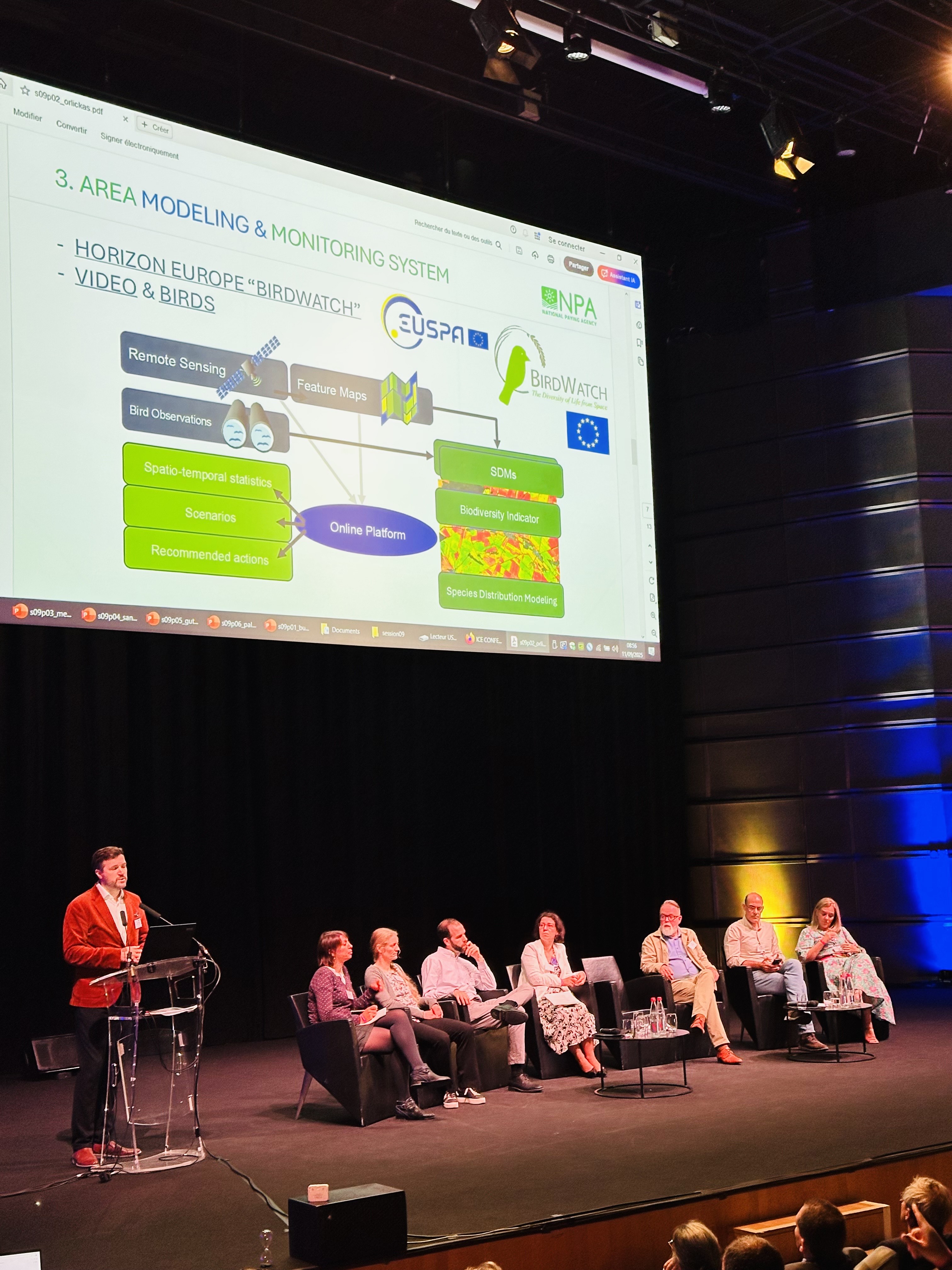
In his presentation, Mr. Orlickas also highlighted how the Lithuanian NPA is contributing to biodiversity monitoring and agri-environmental planning through the Horizon Europe project Birdwatch. This project builds an integrated platform for habitat assessment, using satellite imagery, species distribution modelling, and biodiversity indicators.
From the Paying Agency’s perspective, Birdwatch provides a practical tool to answer essential questions:
- What is the current state of habitat suitability on farmers’ parcels and at regional level?
- Which agri-environmental interventions or eco-schemes are most effective in enhancing biodiversity?
- How can policy link biodiversity protection and agricultural practices more effectively?
- What are the potential economic outcomes for farmers when implementing these interventions?
By aligning AMS with biodiversity modelling, Lithuania is moving beyond compliance monitoring towards nature-positive agricultural governance. This approach will help both farmers and policymakers to make evidence-based decisions on eco-schemes, habitat management, and biodiversity protection, ensuring that agricultural policy delivers not only productivity but also ecological value.
Another significant element of Mr. Orlickas’s presentation was Lithuania’s pioneering work in carbon monitoring and certification under the LIFE programme “Green Farm for Life” initiative. This programme is developing a national framework for greenhouse gas (GHG) assessment and carbon removal certification in the agriculture, forestry, and other land use (AFOLU) sectors.
The NPA’s efforts focus on three main areas:
- Accurate GHG assessment and reporting at farm, regional, and national levels;
- Creation of a Carbon Register to ensure transparent monitoring, accounting, and data exchange;
- Development of standards and incentives for farmers to adopt climate-positive practices.
By integrating carbon monitoring into the broader Area Monitoring System, Lithuania aims to provide strong support to sustainable land management, prepare for future EU regulatory requirements, and actively contribute to Europe’s climate neutrality objectives.
Showcased at the ICE conference, this work demonstrates Lithuania’s vision of a Paying Agency that goes beyond compliance - one that enables farmers to engage in the climate change mitigation and climate neutrality solutions while ensuring fair income and environmental sustainability.
Through this forward-looking vision, presented at the international conference, the Lithuanian NPA proves its commitment to ensuring that agricultural monitoring supports not only compliance and efficiency, but also thelong-term ecological sustainability of Europe’s farming landscapes.
Last updated: 15-09-2025
Related news:
OASIS Implementation: Practical Use of EO data and AI solutions in Lithuania
Horizon Europe Sister Projects Discuss Data-Driven Tools for Sustainable Agriculture
NPA, Lithuania, showcases Its AI achievements at Panta Rhei Conference in Dublin
Mid-Term AgriDataValue Review: Reflecting on Three Years of Progress and Looking Ahead